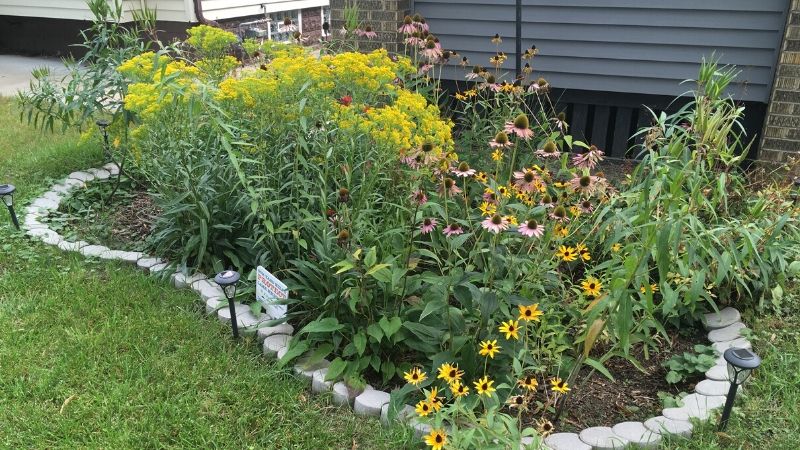
The benefits of planting rain gardens are numerous.
List of Rain Garden Plants
Background. Rain gardens are a win/win, providing plants for pollinators while reducing sediment and pollutants that harm grow a rain garden beneath a downspout or other area where rainfall collects in the garden. The benefits of planting rain gardens are numerous.
Benefits Of Rain Gardens from www.mmsd.com
This is because rain gardens experience alternate flooding (following a large rain storm) and drought (during periods of low rainfall). A rain garden is a planted low area that allows rainwater runoff from hard surfaces (like roofs, driveways, walkways and parking lots) to soak in. Rain gardens are designed landscape sites that reduce the flow rate, total quantity, and pollutant load of runoff from impervious urban areas like roofs, driveways, walkways.
A rain garden is a planted low area that allows rainwater runoff from hard surfaces (like roofs, driveways, walkways and parking lots) to soak in.
Rain gardens are designed landscape sites that reduce the flow rate, total quantity, and pollutant load of runoff from impervious urban areas like roofs, driveways, walkways. Rain gardens catch and channel the environment's natural precipitation, delivering it where it will most benefit our plants. A rain garden is a shallow planted depression designed to hold water until it soaks into the soil. Plants for rain gardens need to be able to withstand brief periods of standing water yet be able to tolerate extended periods of dryness.